The Visigothic period in Spanish history, spanning roughly the 5th to the early 8th centuries, bridges the decline of the Roman Empire and the dawn of the medieval age. Although often overshadowed by the grandeur of Roman rule and the Islamic period that followed, the Visigoths in Spain left an indelible mark on the country’s political, legal and cultural fabric.

The Arrival of the Visigoths
In the late 4th century AD, the Visigoths, originally part of the Gothic tribes from Eastern Europe, began migrating westward under pressure from the Huns. Initially, they sought refuge within the Roman Empire, settling in Thrace. Their relationship with Rome was complex: they served as allies but also as formidable adversaries. In 410 AD, under the leadership of Alaric I, they famously sacked Rome, an event that symbolized the crumbling of Roman authority in the West.
Following this dramatic episode, the Visigoths moved into Gaul, establishing the Kingdom of Toulouse in 418 AD. This kingdom served as a base for their eventual expansion into the Iberian Peninsula, where they began settling in the 5th century after their defeat by the Franks at the Battle of Vouillé in 507 AD. By the mid-6th century, the Visigoths had consolidated their power in Hispania, with Toledo becoming their political and cultural centre.
The Visigothic Kingdom of Toledo
Political Structure and Challenges
The Visigothic Kingdom in Hispania was governed by an elective monarchy, a system that theoretically prevented hereditary rule but often led to political instability. Power struggles among the nobility were frequent and rival factions within the court created divisions that weakened central authority. Despite these challenges, the Visigoths maintained a semblance of governance over a culturally diverse population that included Hispano-Romans, Suebi and other Germanic groups.
Legal and Administrative Legacy
One of the most enduring contributions of the Visigoths was their legal system. The Codex Euricianus, enacted under King Euric around 475 AD, was among the earliest written Germanic legal codes. Later, the Liber Iudiciorum, introduced by King Recceswinth in 654 AD, unified the legal practices of Visigoths and Hispano-Romans. This legal codification emphasized written law and equality before the law, influencing Spanish jurisprudence for centuries.
Cultural and Religious Transformations
The Shift to Catholicism
Initially adherents of Arian Christianity, the Visigoths underwent a profound religious transformation under King Reccared I, who converted to Catholicism in 587 AD. This conversion was a pivotal moment in Spanish history, uniting the Visigoths with the Hispano-Roman majority under a single faith. The Third Council of Toledo in 589 AD marked the formal adoption of Catholicism as the state religion, strengthening the alliance between the monarchy and the Church.
Architectural Achievements
Though limited in number, surviving examples of Visigothic architecture provide a window into the aesthetic and cultural priorities of the era. Notable structures include the 7th-century Church of San Juan de Baños in Palencia, commissioned by King Recceswinth after a victorious campaign. Its horseshoe arches foreshadowed elements of later Moorish architecture. Other significant sites include the Ermita de Santa María de Lara near Quintañilla de las Viñas (Burgos), with its intricate friezes and remnants in La Rioja and Galicia. These buildings reflect a blend of Roman, Byzantine and Germanic influences, highlighting the Visigoths’ role as cultural intermediaries.
Another significant historical and architectural landmark is the 7th century church of Santa María de Melque in the province of Toledo. It is known for being the largest fully vaulted early medieval church in Western Europe which showcases a unique blend of Visigothic, Mozarabic and Roman architectural styles and reflects advanced construction techniques of its time. Originally part of a monastic complex, it has served various purposes throughout history, including as a mausoleum and defensive structure. Today, it stands as a key monument for understanding the transition from late Roman to early medieval architecture in the Iberian Peninsula.

Economic and Social Impact
Under Visigothic rule, many cities saw a decline in population as people migrated to the countryside. A form of proto-feudalism emerged, with large estates dominating the rural landscape. The Visigoths maintained Roman institutions and trade networks, ensuring some continuity in economic practices. However, their limited interaction with the native population resulted in minimal linguistic influence, with Latin remaining the dominant language.
Decline and Fall
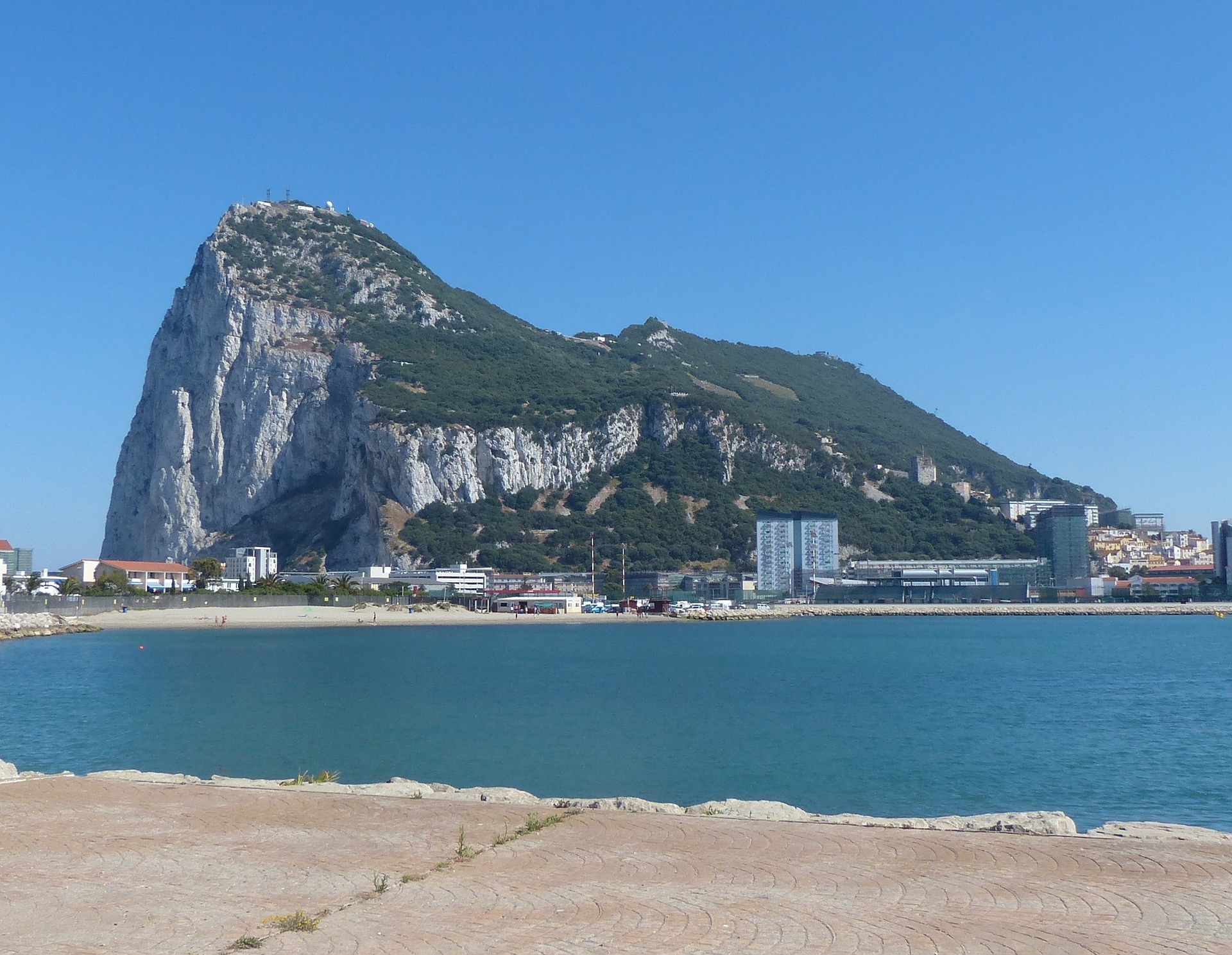
The Visigothic Kingdom faced persistent internal conflicts, with rival factions vying for control. These divisions left the kingdom vulnerable to external threats. In 711 AD, a Muslim force led by Tariq ibn Ziyad crossed the Strait of Gibraltar and defeated the Visigothic army at the Battle of Guadalete. The death of King Roderic, the last Visigothic ruler, marked the end of their reign. Within a few years, the Iberian Peninsula was under Islamic control, ushering in the era of Al-Andalus.
Legacy of the Visigoths in Spain
Legal and Political Contributions
The Visigoths were the first rulers to envision a unified Iberian Peninsula. Their legal codes, particularly the Liber Iudiciorum, set a precedent for centralized governance and equality before the law. Elements of their legal traditions persisted in medieval Spanish charters and influenced the development of Spanish law.
Cultural and Religious Influence
The Visigothic embrace of Catholicism established a lasting precedent for the close relationship between Church and State in Spain. Their architectural and artistic traditions, particularly in metalwork and jewellery, influenced subsequent styles, including Mozarabic and Asturian art.
Historical Perceptions
During the Reconquista, Spanish monarchs often invoked Visigothic ancestry to legitimize their rule, portraying them as defenders of Christian Spain. This narrative, while partly mythologized, underscored the enduring significance of the Visigoths in Spain’s historical memory.
The Visigoths played a crucial role in shaping the early medieval history of Spain. Their contributions to law, governance and religion bridged the Roman and Islamic periods, leaving a legacy that resonated throughout Spanish history. While their kingdom ultimately fell to the Muslim conquest, their impact remains a testament to the complex and multi-layered identity of Spain, forged through centuries of cultural interaction and synthesis.