
Santander operates in the shadow of its better-known Basque neighbours, and frankly, that’s worked rather well for it. Whilst San Sebastián deals with international food pilgrims and Bilbao manages Guggenheim crowds, this elegant Cantabrian capital gets on with being a proper functioning city that happens to sit on one of Europe’s most spectacular bays. Spanish families have known this for generations – they’ve been summering here since the 19th century when royalty made it fashionable. International tourists are only now catching on.
I’ve been rdropping into Santander for the Spanish Fiestas website since the early 2000s, watching it develop confidence about its attractions without losing the relaxed quality that makes it appealing. The city’s got golden beaches that genuinely rival anywhere on Spain’s northern coast, Belle Époque architecture that reflects its resort town heritage, and contemporary additions like the Botín Centre that demonstrate cultural ambition. What it hasn’t got is pretension about any of this, which becomes increasingly refreshing once you’ve experienced destinations that take themselves very seriously indeed.
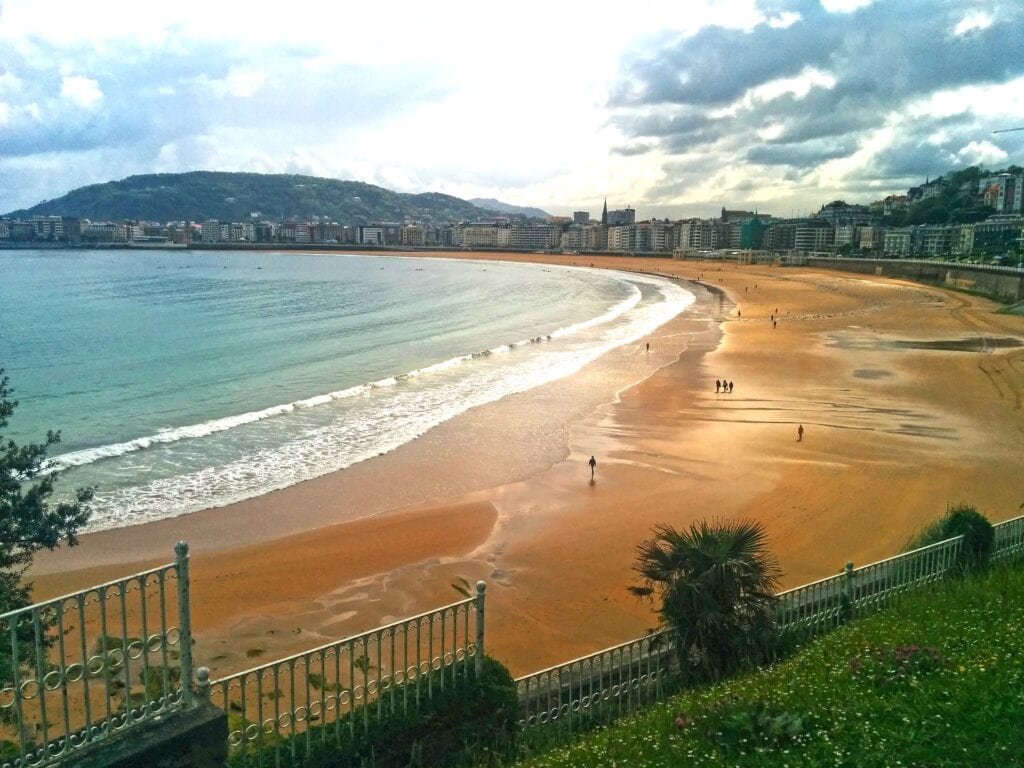
The setting does considerable heavy lifting. The bay is legitimately stunning – that sweeping crescent of water backed by green Cantabrian hills, the Magdalena Peninsula jutting out with its royal palace, beaches on multiple sides creating this sense of being surrounded by coastline. On clear days the light has this particular northern Spanish quality – softer than Mediterranean brilliance, creating colours that painters obsess over.
What strikes me about Santander is how it functions as actual city rather than just tourist destination. The port remains working rather than merely picturesque. The markets serve locals doing weekly shopping. The festivals matter to residents. University students create energy that extends beyond summer tourism season. This creates atmosphere that’s genuine rather than performed, which you notice particularly if you’re visiting from Barcelona or Seville where tourism has fundamentally reshaped urban character.
When it comes to things to do in Santander, you’re looking at variety that spans beaches, culture, gastronomy and natural landscapes without the overwhelming choices of major cities or the limited options of small resort towns. The compact centre means everything’s accessible, whilst Cantabria’s broader attractions – medieval villages, prehistoric caves, mountain scenery – remain within easy reach.
Best Things to Do in Santander
Thirteen attractions for a city Santander’s size reflects genuine depth rather than padding the list. Some are universally appealing – the beaches, the palace, the bay views. Others depend on your interests – contemporary art, maritime history, surfing, gastronomy. The variety means different visitors construct completely different experiences whilst all finding substance.
El Sardinero Beach
El Sardinero is Santander’s headline beach and has been since 19th-century aristocracy made it fashionable. The beach divides into Primera Playa and Segunda Playa, connected by an elegant promenade lined with Belle Époque villas, grand hotels and manicured gardens that reflect its resort town heritage.
The beaches themselves are proper – wide golden sand, decent waves for body surfing, generally clean water (bay location means calmer conditions than exposed Atlantic beaches). Infrastructure works well with showers, changing facilities, beach clubs if you want that level of service, and lifeguards during summer season.
What makes El Sardinero appealing beyond obvious beach qualities is the surrounding area. The promenade walk is lovely – palm trees, elegant architecture, cafés and ice cream parlours that have been there for decades. It feels established rather than recently developed, which creates atmosphere that new resort areas can’t replicate.
Summer sees the beaches absolutely packed – locals, Spanish holidaymakers from inland regions escaping heat, increasing numbers of international tourists. If you’re after space, visit in shoulder season when weather’s often still swimmable but crowds have thinned. Winter brings dramatic wave displays when Atlantic storms roll in, the promenade near-empty except for joggers and dog walkers experiencing elemental Cantabrian weather.
The area around El Sardinero has excellent seafood restaurants, though quality varies and touristy locations near the beaches aren’t necessarily the best. Ask locals or your accommodation for recommendations rather than choosing randomly based on proximity.
Magdalena Peninsula and Palace
The Magdalena Peninsula juts into the bay creating this distinctive headland visible across Santander. The Palacio de la Magdalena, built in 1908 as summer residence for King Alfonso XIII and Queen Victoria Eugenia, combines English, French and regional architectural styles in ways that sound confused but somehow cohere.
The palace opens for guided tours, exhibitions and conferences, though honestly the exterior and setting matter more than the interior for most visitors. The surrounding parkland is the real attraction – coastal walking paths, viewpoints over the bay, gardens and that particular quality northern Spanish parks have where everything feels slightly wild despite being maintained.
There’s a small zoo with seals and penguins that families appreciate, though ethical considerations around keeping marine mammals in captivity apply here as anywhere. The replica galleons belonging to Cantabrian explorer Vital Alsar sit near the beaches, looking slightly incongruous but providing context about regional maritime exploration history.
The peninsula works perfectly for leisurely afternoons – walking the coastal paths, finding viewpoint benches, possibly swimming from the small beaches if weather permits. It’s popular with locals for weekend picnics and exercise, creating that mix of residents and visitors that indicates genuine rather than purely tourist attraction.
Access is straightforward – you can walk from the city centre in 20-30 minutes, buses run regularly, or cycling the seafront route is pleasant. Summer weekends get busy but never overwhelmingly so given the peninsula’s size.
Centro Botín
Renzo Piano’s Centro Botín, opened in 2017, represents Santander’s contemporary cultural ambitions made concrete (or more precisely, suspended on stilts over the waterfront). The building appears to float above the bay, those curved forms and reflective surfaces creating architecture that’s simultaneously bold statement and surprisingly contextual – it works with the water rather than dominating it.
Inside, rotating exhibitions focus on modern and contemporary art supported by the Fundación Botín. Quality varies as temporary exhibitions always do, but the programming demonstrates genuine curatorial ambition rather than playing it safe with crowd-pleasing retrospectives. Check what’s on before visiting to see if it aligns with your interests.
The rooftop terrace offers excellent bay views and functions as public space even if you’re not visiting exhibitions. The building’s activated the waterfront in ways that weren’t possible when this was industrial port area – you can walk underneath it, around it, experiencing how architecture creates urban space rather than just containing functions.
Whether you care about contemporary art or not, the Centro Botín demonstrates how Santander has evolved beyond being purely resort town into city with serious cultural infrastructure. That matters for urban identity and economic diversification even if individual visitors never set foot inside.
Santander Cathedral
The Cathedral Basilica of the Assumption sits at the city’s heart, built between 12th and 14th centuries on Roman settlement foundations. It’s Gothic primarily with Renaissance and Baroque additions creating that layered effect where centuries of construction and modification are visible simultaneously.
The crypt of El Cristo is particularly atmospheric – Roman walls, early Christian relics, that sense of accumulated history that truly old religious sites convey. The main cathedral space is lovely without being spectacular by Spanish cathedral standards – this isn’t competing with Seville or Toledo for grandeur, it’s offering solid Gothic architecture and local religious significance.
What’s interesting is how the cathedral sits within what remains of Santander’s medieval quarter. The devastating fire of 1941 destroyed much of the old city, so what survives has particular value. The streets around the cathedral preserve some sense of antiquity even as modern Santander has been rebuilt around them.
It’s not going to occupy hours of your time unless you’re deeply interested in religious architecture or medieval history. Thirty minutes covers it adequately for most visitors. The location means you’ll likely pass it whilst exploring the centre anyway, making it natural to duck inside briefly.
Mercado de la Esperanza
The Mercado de la Esperanza, housed in handsome iron-and-glass architecture from 1904, functions as Santander’s main food market and provides genuine insight into Cantabrian gastronomy and daily life. The structure itself is lovely – that early 20th-century market architecture combining functionality with decorative elements that wouldn’t be built today for cost reasons.
Inside, stalls display Cantabrian produce – seafood from the Bay of Biscay looking like it was swimming hours ago, mountain cheeses, seasonal vegetables, those famous Santoña anchovies, local meats. This is where serious cooks shop, where elderly residents maintain decades-long relationships with particular vendors, where the commerce of feeding a city happens.
For visitors, wandering through provides edible education about regional ingredients and food culture. Even if you’re not cooking, seeing the produce quality and variety contextualises restaurant menus. Some stalls will offer samples if you show genuine interest rather than just photographing everything.
The market atmosphere is best midweek mornings when it’s busy with local shoppers but not overwhelmed by tourists. Saturday mornings are heaving. Sundays it’s closed. The surrounding streets have small traditional shops and cafés frequented by market vendors and shoppers, offering that neighbourhood atmosphere distinct from tourist areas.
Cabo Mayor Lighthouse
Perched on cliffs north of the city, Cabo Mayor Lighthouse has been guiding ships since 1839. The setting is dramatic – rugged cliffs, Atlantic waves crashing below, grasslands extending along the coast, that elemental quality northern Spanish coastline has when weather turns wild.
The lighthouse keeper’s house converted into an art centre displaying works by Cantabrian artist Eduardo Sanz. The collection isn’t going to justify the trip alone, but combined with the location and coastal walks, it adds cultural dimension to what’s primarily about experiencing landscape.
The coastal path towards Cabo Menor is particularly lovely, offering changing perspectives on the cliffs and sea. It’s popular with locals for exercise – runners, cyclists, walkers treating it as urban wilderness accessible from the city without requiring transport. That local use indicates genuine rather than manufactured attraction.
Weather matters significantly here. Clear days provide spectacular views extending along the coast. Stormy days are atmospheric in different ways – wind, spray, clouds racing overhead creating drama that calm days can’t match. Winter visits can be genuinely challenging with Atlantic gales making walking difficult, but that raw weather is part of the experience.
Maritime Museum of Cantabria
Santander’s Maritime Museum sits appropriately near the waterfront, combining historical exhibits about regional seafaring traditions with aquarium tanks showcasing Bay of Biscay marine life. It’s well done without being spectacular – solid regional museum demonstrating Cantabria’s maritime heritage through ship models, fishing equipment, whaling history and naval exploration context.
The aquarium section appeals particularly to families – sharks, rays, colourful fish in tanks recreating local marine environments. It’s modest scale compared to major modern aquariums but the focus on regional species provides educational value beyond just displaying impressive creatures.
For anyone interested in how Spanish coastal regions developed economically and culturally, the museum provides useful context. The whaling exhibits are sobering, the fishing history interesting, the exploration material connecting Cantabria to broader Spanish maritime endeavours.
Budget 60-90 minutes unless you’re deeply into maritime history or have children who want to revisit favourite aquarium sections repeatedly. It’s not competing with major attractions but works well for rainy day activities or providing variety between beach time and urban exploration.
Paseo de Pereda and Jardines de Pereda
The Paseo de Pereda waterfront boulevard epitomises Santander’s 19th-century elegant resort character – grand mansions, shops, cafés, that particular Belle Époque quality where architecture aimed for gracious urban living rather than pure functionality. The adjacent Jardines de Pereda provide green space with fountains, sculptures and flowerbeds creating this pleasant transition between waterfront and city streets.
It’s fundamentally a promenade – you’re walking, observing architecture, possibly stopping at cafés, watching boats in the harbour. There’s no specific attraction here beyond the cumulative effect of agreeable urban design encouraging leisurely movement.
The area functions as natural meeting point and orientation landmark. From here you can easily reach the Centro Botín, the ferry terminal, the old quarter and various bus stops. It’s the sort of boulevard Spanish cities do well – activating waterfront through good design rather than just building barriers between city and water.
Early evening sees locals promenading – that distinctly Spanish ritual of collective wandering and socialising that creates urban vitality without requiring specific destination. Joining that flow provides insight into how Santander functions for residents beyond its tourist identity.
Santander Bay Boat Trips
The bay is widely considered one of Europe’s most beautiful natural harbours, and appreciation improves from the water. Various operators run boat tours ranging from short harbour cruises to longer trips across to Somo beach, sunset sailings with drinks, and regular ferry services that function as both transport and sightseeing.
The perspectives from the water reveal Santander’s setting in ways land-based viewing can’t quite achieve. You see how the city relates to the bay, how the Magdalena Peninsula creates that distinctive headland, how the beaches extend around multiple sides. The surrounding green hills frame everything, creating that sense of being cradled between water and landscape.
Different tours appeal to different interests – photography enthusiasts want sunset light, families prefer shorter trips to Somo beach, romantics go for evening cruises. Quality and atmosphere vary between operators, so check reviews rather than assuming they’re interchangeable.
Weather significantly affects the experience. Calm days offer relaxing cruising and clear photography. Rough days can be genuinely uncomfortable for those prone to seasickness. Summer provides most reliable conditions though also brings more crowds. Spring and autumn can be lovely if you’re lucky with weather.
Cantabrian Gastronomy
Cantabria’s cuisine doesn’t get the international attention that Basque or Catalan food receives, but the quality is genuinely excellent. Santander showcases regional traditions through restaurants ranging from traditional taverns to Michelin-starred establishments, markets displaying local produce, and tapas bars where locals and visitors mix over anchovies and rabas (fried squid rings).
The seafood is exceptional – we’re on the Bay of Biscay with fishing traditions going back centuries. Marmita (tuna and potato stew) represents traditional cooking, whilst contemporary restaurants reinterpret these traditions with modern techniques. The anchovies from nearby Santoña are legitimately some of Europe’s finest – nothing like the aggressive tinned versions, these are delicate and complex.
Regional pastries like quesada pasiega (cheesecake) and sobaos (buttery sponge cakes) appear in bakeries and markets. Mountain cheeses from Cantabrian valleys are excellent. The wine culture centres on Rioja and Ribera del Duero rather than local production, though some Cantabrian wines are emerging.
The tapas bars around Plaza Cañadío and Puertochico create that Spanish tapas bar atmosphere where you’re standing, moving between venues, the food and drink facilitating socialising rather than being purely about consumption. It’s democratic, accessible and genuinely enjoyable rather than tourist performance.
Santander’s Festivals
Santander’s festival calendar reflects both traditional celebrations and contemporary cultural ambitions. Semana Grande in July is the major summer blowout – concerts, bullfights (controversial but traditional), parades, fireworks, beach activities coinciding with the feast of Santiago. The Magdalena Peninsula and El Sardinero host most activities, attracting thousands of visitors and creating that festival atmosphere where normal routines temporarily suspend.
The Santander International Festival in August brings music, dance and theatre performances of genuinely high quality. It’s ambitious programming that brings international artists to Cantabria, demonstrating cultural reach beyond being purely resort town.
The Baños de Ola festival celebrates Santander’s 19th-century bathing heritage with parades and beach activities. It’s slightly niche and historical but charming in ways that reveal civic identity and how the city sees its past.
These festivals matter to locals rather than existing purely for tourists, which creates authentic atmosphere. They’re accessible to visitors but rooted in community participation and tradition.
Day Trips from Santander
Santander functions excellently as base for exploring Cantabria. Santillana del Mar, 30 km west, is that perfectly preserved medieval town often called “the town of three lies” because it’s neither holy (santa), flat (llana), nor by the sea (mar). It’s genuinely lovely despite knowing it’s slightly too perfect – the preservation is so comprehensive it verges on museum village, but executed well enough to remain charming.
The Altamira Caves nearby contain prehistoric paintings dating back over 14,000 years. The original caves are closed to protect the art, but the replica museum is brilliantly done – seeing the space and art reproductions provides genuine sense of prehistoric artistic achievement.

Cabárceno Nature Park, a former open-cast mine transformed into semi-free wildlife reserve, offers something completely different – animals roaming large enclosures creating conditions closer to natural habitat than traditional zoos. It’s controversial (captive wildlife always is) but represents contemporary approaches to conservation and education.
The Picos de Europa mountains lie within reach for hiking, climbing or scenic driving. The dramatic landscapes – limestone peaks, deep gorges, high alpine meadows – contrast completely with coastal Santander, showcasing Cantabria’s geographical diversity.
Surfing and Water Sports
Santander’s Atlantic waves and multiple beaches create conditions appealing to surfers of varying abilities. Playa de Somo, across the bay, is particularly popular – consistent waves, surf schools offering lessons and rentals, that surf culture atmosphere where enthusiasts gather.
El Sardinero and Playa de los Peligros also attract surfers, though conditions vary with swell and wind direction. The Cantabrian surf scene is less internationally famous than Basque coast spots but offers quality waves without overwhelming crowds.
Beyond surfing, the bay supports sailing and rowing. Regular regattas demonstrate Santander’s maritime sporting traditions, whilst sailing clubs offer courses and boat rentals. Stand-up paddleboarding has become popular in calmer bay areas, providing water access for those not interested in surfing or sailing.
Racing de Santander, the local football club, has proud history despite current lower-league status. Attending matches provides that Spanish football atmosphere where community identity expresses through sporting support.
Frequently Asked Questions about Santander
How do I get to Santander?
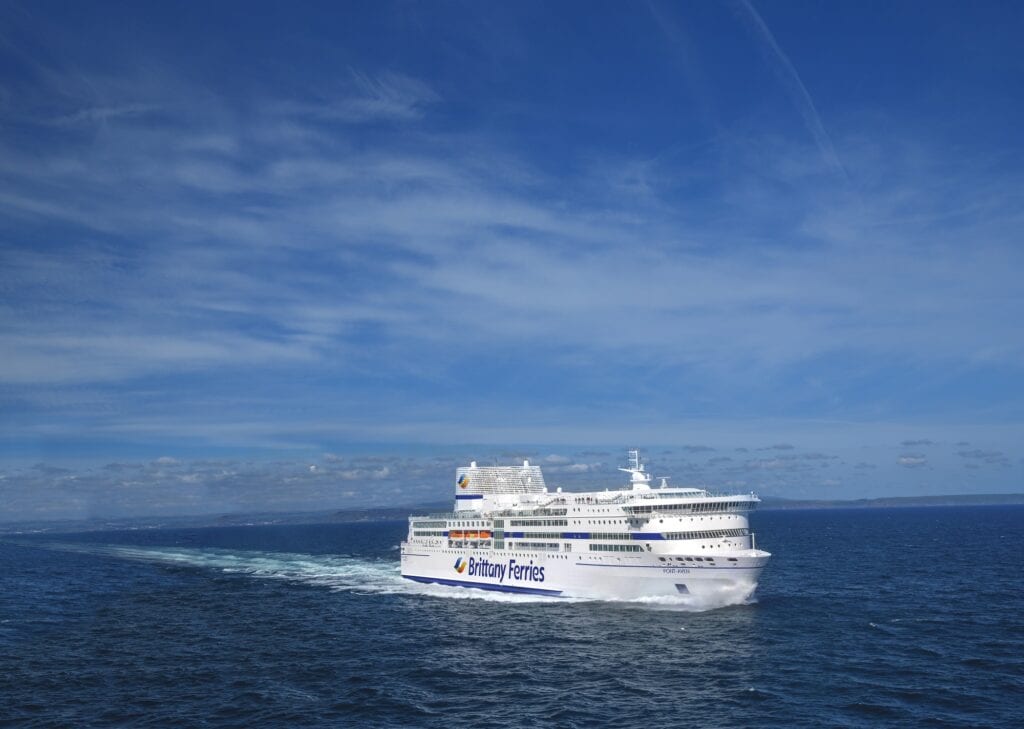
Santander Airport sits 5 km from the centre with connections to Madrid, Barcelona and several European cities – primarily summer seasonal routes. Brittany Ferries operates services from Portsmouth and Plymouth in the UK, making Santander accessible for those bringing vehicles or preferring sea travel. High-speed trains from Madrid take under four hours. Buses connect with major Spanish cities, whilst the A-8 motorway links to Bilbao (100 km east) and Asturias (west).
How do I get from Bilbao to Santander?
The A-8 motorway takes 90 minutes by car. Direct buses run frequently between the cities, journey time roughly two hours depending on traffic and route. There’s no direct train, which seems odd but reflects how Spanish rail infrastructure developed historically. The coastal drive is scenic if you’re not in a rush.
Where should I stay in Santander?
El Sardinero offers beach proximity and elegant hotels with sea views – ideal if beaches are your priority. The city centre around Paseo de Pereda and Puertochico provides easy access to cultural attractions, restaurants and nightlife whilst remaining walkable to beaches. Budget accommodation clusters in the old quarter with hostels and guesthouses offering lower prices but less refined surroundings. The city’s compact enough that location matters less than in sprawling cities.
When is the best time to visit Santander?
Summer (July-August) brings warmest weather, liveliest festivals and busiest beaches. It’s peak season with corresponding prices and crowds. Spring and early autumn offer milder conditions, fewer tourists and pleasant temperatures for walking and sightseeing. September can be lovely – still swimmable, festival atmosphere calming, good light. Winter is quiet and mild by European standards but not beach weather – it works if you’re interested in the city, museums and gastronomy rather than primarily beaches.
Is Santander good for families?
Very much so. The beaches are safely swimmable, the Magdalena Peninsula has parks and small zoo, the Maritime Museum appeals to children, and Spanish family culture means infrastructure and attitudes accommodate kids naturally. The compact centre means manageable distances without exhausting small legs. Spanish families have been holidaying here for generations, which indicates genuine family-friendliness rather than manufactured appeal.
What are Santander’s main festivals?
Semana Grande in July is the major event – week-long celebration with concerts, traditional activities, fireworks. The Santander International Festival in August brings high-quality music, dance and theatre. Baños de Ola celebrates bathing heritage. These festivals combine local tradition with contemporary culture, remaining accessible to visitors whilst mattering to residents.
How many days should I spend in Santander?
Two to three days covers major attractions – beaches, palace, cathedral, Centro Botín, market, some gastronomy exploration. Four to five days allows relaxed pace, day trips to Santillana del Mar or Altamira Caves, properly experiencing the food scene and perhaps catching festival events. A week makes sense if you’re using Santander as base for broader Cantabrian exploration or simply want extended beach time combined with urban culture.
Final Thoughts
Santander operates successfully in that space between major destination and hidden gem – recognized domestically, increasingly noticed internationally, yet maintaining character that overtourism hasn’t compromised. The bay setting is genuinely exceptional, the Belle Époque heritage creates elegant urban environment, and contemporary additions like the Centro Botín demonstrate cultural ambition without overwhelming the established character.
What Santander offers that’s increasingly valuable is being proper functioning city that also happens to be excellent tourist destination, rather than destination that’s lost its urban soul to tourism. The port works, the university creates energy, locals use the same spaces as visitors, and civic life continues beyond serving tourist needs. That authenticity creates atmosphere that purely tourist-focused destinations struggle to replicate.
When it comes to things to do in Santander, you’re looking at variety spanning beaches, culture, gastronomy and natural landscapes without overwhelming choices or limited options. The compact centre and Cantabria’s accessible surroundings mean you can construct completely different experiences – pure beach holiday, cultural city break, gastronomic exploration, outdoor adventure base – whilst always having substance to engage with.
The city’s managed to develop confidence about its attractions without becoming insufferable about them, which feels refreshingly northern Spanish. There’s quality here – genuinely good beaches, excellent food, solid cultural institutions, beautiful setting – presented without excessive fanfare or pretension. Sometimes that understated approach is precisely what makes a destination work.