
Dia de Todos los Santos
All Saints Day in Spain (Todos Los Santos) takes place on November 1st. It is a very important national public holiday when people from all over the country return to their town or village to lay flowers on the graves of deceased relatives. There are few religious days that mean quite so much to the ordinary people of Spain as this solemn festival.
The Spanish consider themselves fortunate in having two birthdays each year, rather like the British queen. They have their customary birthday to commemorate the day they were born but they also celebrate on the day of their personal patron saint. For most people their patron saint will be the one after whom they were named.
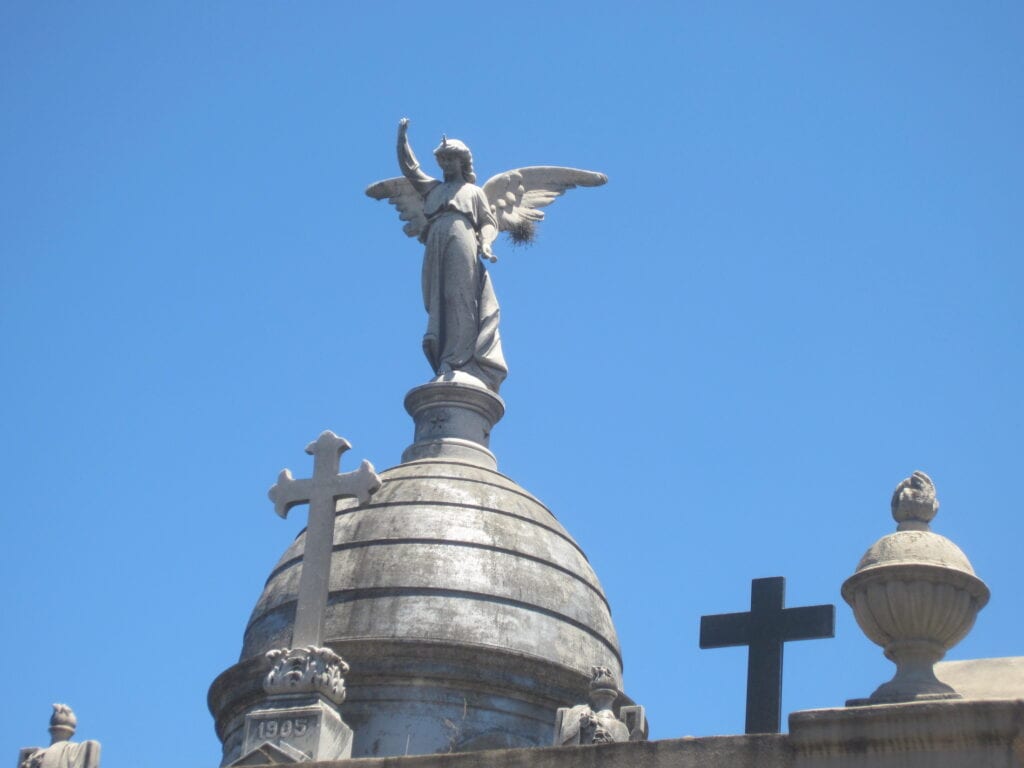
However, on November 1st each year, the Feast of All of the Saints is held and this particular public holiday centres around remembering dead family members. Most people will visit the graves of relatives and decorate them with elaborate floral displays. Roads around cemeteries will be crammed with traffic, flower sellers line the streets and, in many places, additional public transport services are organised. Although this might sound over-commercialised and hectic it is actually, for most people, a day of high emotions. The Eucharist, or Mass, will often be performed in the cemetery several times during the day.
In common with many festivals throughout the country there are a number of special dishes which are associated with All Saints’ Day. Chief amongst these is the tradition of eating roasted chestnuts, castañas, alongside small almond cakes, pannellets. The chestnut element of the tradition comes from the legend of Maria La Castañada, a chestnut seller, about whom there are many stories. The almond cakes apparently are reminders of the days when home made cakes and offerings were left with the bodies of the dead. At this time of the year you will also see in the shops huesos de santo – the saint’s bones – which have marzipan, eggs and sugar syrup and buñuelos de viento – puffs of wind – which are doughnuts liberally sprinkled with cinnamon and sugar. In Catalonia in particular it is also quite usual to eat sweet potatoes, el boniato.
Back in the 10th century All Saints’ Day was celebrated on May 13th but Popes Gregory III and IV moved it to its present date because they wanted to neutralise the pagan festival, the forerunner of Halloween, that was held at that time of the year. The ancient Gaels believed that this time of the year, sometimes thought of as the Celtic New Year, was when the boundaries between the living and the dead disappeared so the Church linked this with All Saints’ Day. Initially, the time was a period of fasting as well as the holding of vigils. What began as a time of remembrance of the Christian martyrs evolved into the present custom of remembering all the dead.
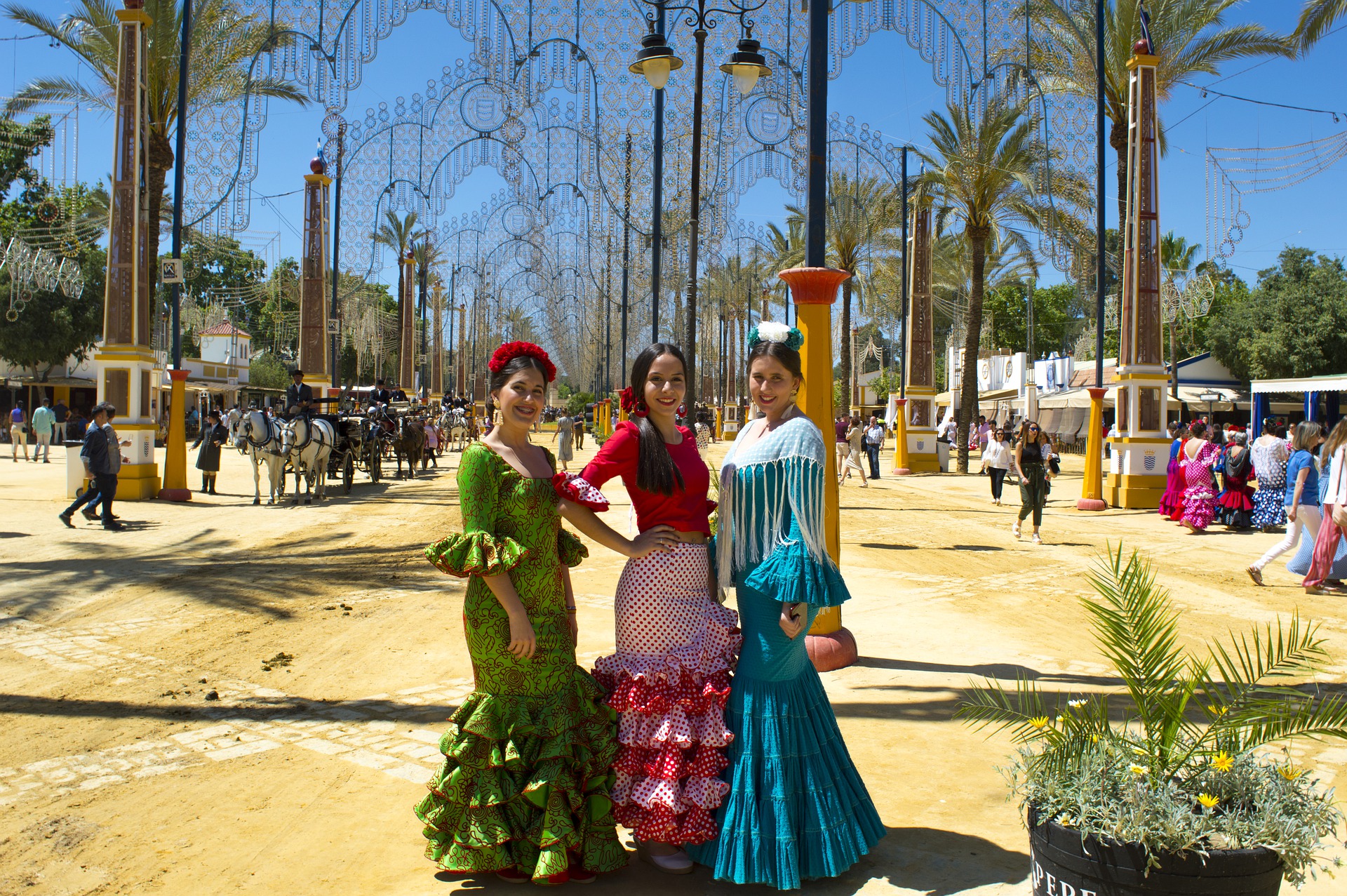
The celebrations surrounding All Saints’ Day are especially notable in the Cádiz province of Andalucía. In Cádiz itself Tosantos will involve a colourful street market, processions and many children’s activities and will begin a few days before November 1st. In villages and towns throughout the province candle lit processions, roast chestnuts and, very often, anise liqueurs characterise the feast.
One of the All Saints’ traditions across Spain is the performing of the play Don Juan Tenorio, written by José Zorrilla. The final act of this portrayal of Don Juan’s choice between salvation or hell is set in a cemetery with the legendary lover lamenting over his betrayal of his dead lover.
There are times when it is easy to forget how catholic Spain can be but All Saints’ Day is a powerful reminder of the importance of religion, and of the family, even in the modern age.
If you’re travelling in Spain at this time try to avoid the roads on the night of October 31st as there are millions of people who finish work early in the afternoon then head for their birthplace so traffic congestion can be severe especially on the motorways leaving the main cities.

There is no evidence that the church’s decision to adopt November 1st as All Saints Day had anything whatsoever to do with any pagan festival. For a start, evidence for the festival is very weak, all of it being centuries later than the establishment of All Saints. In addition, the description of what might have gone in pagan Ireland is nothing like All Saints – it’s a mythical warrior feast.
Alright buddy
Folks can do a search for “Samhain” to read more about the Celtic approach. It’s a tender time even in America if people choose to remember their ancestors; I remember mine and I thank them for their resourcefulness, courage, and tenacity. And there is something soothing about staying home, lighting candles, and feeling close to people we love.