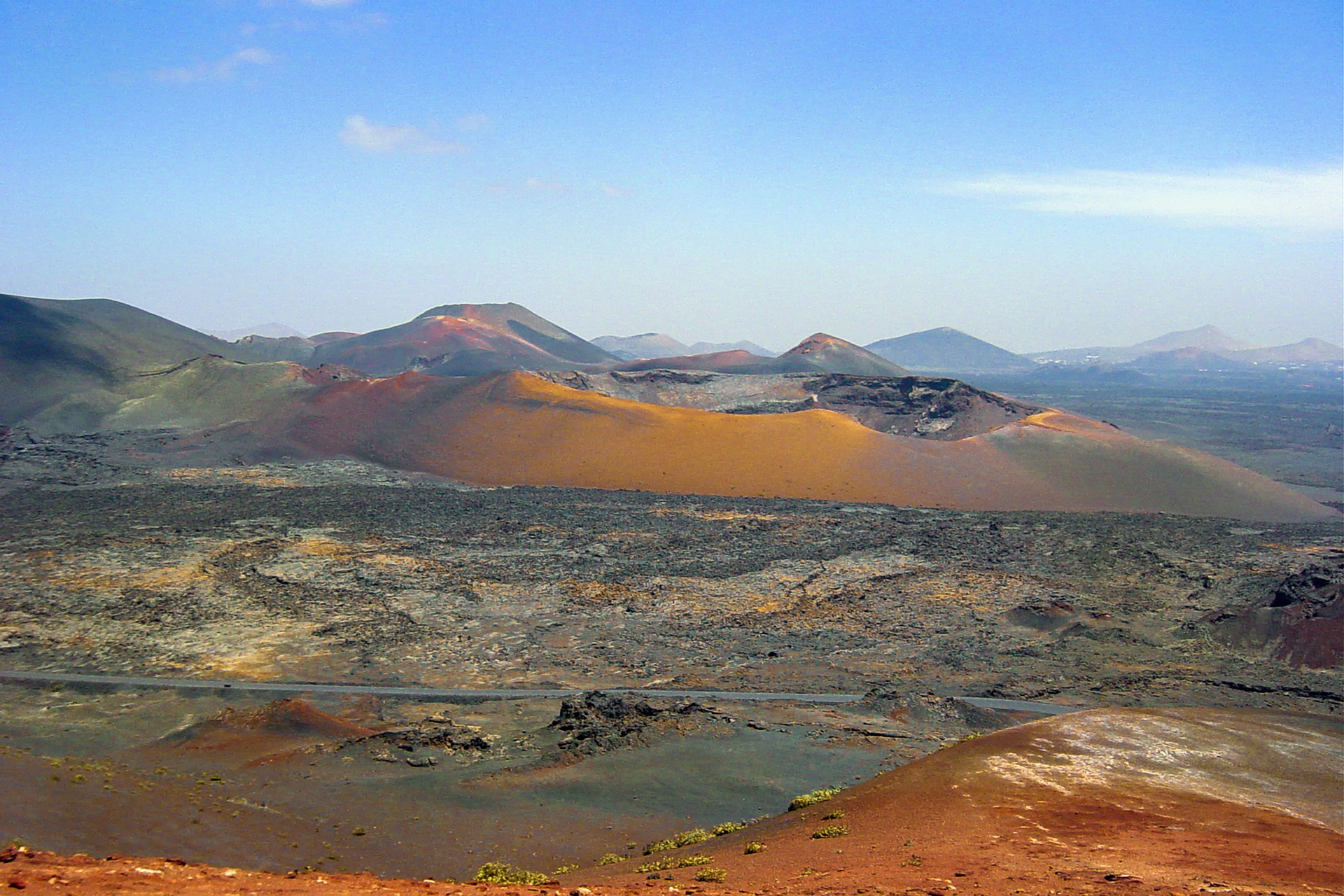
When considering where to stay in Lanzarote, visitors are presented with quite a range of options across this unique Canary Island. Located just 125km from the African coast and over 1000km from mainland Spain, Lanzarote’s distinctive volcanic landscape and year-round mild climate attract millions of sun-seeking tourists annually. Despite its relatively small permanent population the island offers accommodation ranging from bustling coastal resorts to tranquil inland villages which cater to a wide range of visitors.
This easternmost of the Canary Islands, while perhaps not conventionally beautiful, compensates with its rich cultural heritage, stunning beaches and a tourism infrastructure that has become the backbone of its economy. Whether you’re drawn to the lively atmosphere of popular holiday resorts or seeking a more authentic Canarian experience, Lanzarote provides plenty options for holidaymakers to choose from.

Where to Stay in Lanzarote: Top Holiday Resorts
Tourists considering where to stay in Lanzarote often gravitate towards the island’s most popular resorts, each offering its own unique appeal. Puerto del Carmen, the island’s oldest and most developed resort, attracts visitors with its lively atmosphere, extensive golden beaches and vibrant nightlife, making it ideal for those seeking a mix of sun, sea and entertainment. Playa Blanca, on the southern tip, caters to families and couples looking for a more relaxed ambiance with access to the stunning Papagayo beaches.
The family-friendly Costa Teguise draws water sports enthusiasts with its excellent windsurfing conditions whilst also offering a range of attractions and a more subdued evening scene. These resorts provide well-developed tourist infrastructures, a wide array of accommodation options and easy access to some of the best things to do in Lanzarote.
Puerto del Carmen
Puerto del Carmen, situated on the southeast coast, stands as Lanzarote’s oldest and most developed resort town. Its strategic location, merely 10 kilometres from Arrecife Airport, makes it an convenient choice for many visitors. The town’s 7-kilometre coastline boasts a string of golden sand beaches, including the popular Playa Grande and the more secluded Playa Chica, catering to both sun-seekers and water sports enthusiasts.
The resort’s main thoroughfare, Avenida de las Playas, serves as the epicenter of activity, lined with an eclectic mix of bars, restaurants and shops that cater to an international clientele. As night falls, Puerto del Carmen transforms into the island’s primary nightlife hub, with venues ranging from laid-back pubs to pulsating nightclubs. This vibrant atmosphere makes it particularly appealing to younger travellers and those seeking an energetic holiday experience.
However, Puerto del Carmen is not without its quieter corners. The old town, centered around the harbour, offers a glimpse into the area’s fishing village past, with traditional Canarian architecture and seafood restaurants serving the day’s catch. This duality of old and new, tranquil and lively, allows Puerto del Carmen to cater to a broader audience than one might initially assume.




Playa Blanca
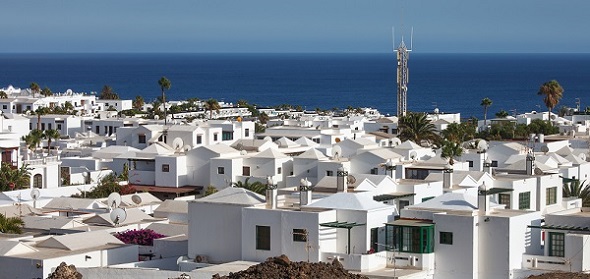
Situated on Lanzarote’s southern tip, Playa Blanca has evolved from a small fishing village into a sophisticated resort town, striking a balance between development and charm. Its position, 33 kilometres from the airport, makes it feel somewhat removed from the island’s busier areas, contributing to its more relaxed ambiance.
Playa Blanca’s coastline is punctuated by a series of picturesque coves, including the golden sands of Playa Dorada and Playa Flamingo. However, the jewel in its crown is undoubtedly the Papagayo beaches, a collection of pristine coves set within a protected natural park. These beaches, with their crystal-clear waters and dramatic cliff backdrops, offer some of the finest coastal scenery in the Canaries.
The town’s infrastructure is well-developed, with the marina area, Marina Rubicón, serving as a focal point for upscale dining and shopping. This blend of natural beauty and modern amenities makes Playa Blanca particularly appealing to families and couples seeking a balance of relaxation and activities. While nightlife exists, it’s decidedly more low-key than Puerto del Carmen, focusing on laid-back bars and live music venues rather than clubs.
Costa Teguise
Located on the eastern coast, 15 kilometres northeast of the airport, Costa Teguise offers a compelling mix of tourist infrastructure and local flavor. The resort was thoughtfully planned, resulting in a layout that feels spacious and well-organized, with ample green spaces interspersed among the developments.
Costa Teguise’s beaches are its primary draw, with Playa de las Cucharas being particularly noteworthy. The consistent trade winds that grace this coastline have made it a mecca for windsurfers and kitesurfers, with schools and rental facilities catering to all skill levels. For those preferring calmer waters, Playa Bastián and Playa del Jablillo offer more sheltered conditions, ideal for families with young children.
Beyond the beaches, Costa Teguise provides a range of attractions suitable for all ages. The Aquapark Costa Teguise offers a fun-filled day out for families, while the nearby Lanzarote Aquarium provides an educational glimpse into marine life. Golf enthusiasts will appreciate the 18-hole course designed by John Harris, which offers challenging play amidst volcanic landscapes.
The town’s atmosphere is notably more subdued than Puerto del Carmen, making it well-suited to those seeking a balance between amenities and tranquility. Evening entertainment tends towards family-friendly shows and live music, rather than late-night partying.
Tias
For travellers seeking to immerse themselves in a more authentic Lanzarote experience, the inland town of Tias presents an intriguing option. Located just 7 kilometres from the coast, Tias offers the dual advantages of a traditional Canarian atmosphere and easy access to the beaches and amenities of Puerto del Carmen.
Tias’ history stretches back to pre-Spanish times, with its development closely tied to the agricultural heritage of the island. The town’s elevated position affords panoramic views over the surrounding countryside and coastline, providing a stark contrast to the beachfront resorts.
While Tias may lack the immediate appeal of sandy beaches, it compensates with a rich cultural offering. The Casa-Museo José Saramago, former home of the Nobel Prize-winning author, offers literary enthusiasts a fascinating glimpse into the writer’s life and work. The town’s traditional architecture, quiet squares and local restaurants provide a canvas for visitors to paint their own unhurried Lanzarote experience.
Accommodation in Tias tends towards holiday rentals and small, characterful hotels, often housed in restored traditional buildings. This setting is particularly appealing to those who prefer self-catering holidays or who wish to use the town as a base for exploring the island’s interior.
More Places to Stay in Lanzarote
Beyond the established resorts, Lanzarote offers several other destinations which cater to different tastes such as the following:
Puerto Calero
This sophisticated marina development south of Puerto del Carmen, appeals to luxury seekers and sailing enthusiasts. Its upscale hotels, designer boutiques and gourmet restaurants create an exclusive enclave that contrasts sharply with the more democratic appeal of the larger resorts.
Punta Mujeres
In the island’s northeast, the fishing village of Punta Mujeres offers a glimpse into traditional coastal life. Its unique feature is a series of natural and man-made sea pools that provide safe swimming areas, protected from the open ocean. This, combined with its authentic atmosphere and proximity to attractions like Jameos del Agua and Cueva de los Verdes, makes it an appealing option for those seeking to explore Lanzarote’s volcanic wonders.
Caleta de Famara
For surf enthusiasts, the village of Caleta de Famara on the northwest coast is nothing short of paradise. Set against the dramatic backdrop of the Riscos de Famara cliffs, its beach is widely regarded as one of the best surfing spots in Europe. The laid-back vibe and stunning natural beauty attract a diverse crowd of surfers, artists and nature lovers.
Playa Quemada
Lastly, for those seeking total seclusion, the tiny coastal hamlet of Playa Quemada offers an escape from the trappings of modern tourism. With just a handful of excellent seafood restaurants and a rugged coastline, it provides a rare opportunity to experience an almost untouched corner of the Canary Islands.
Frequently Asked Questions
What’s the Weather Like in Lanzarote?
The weather in Lanzarote is usually very mild with average annual temperatures around 21°C and the average annual rainfall only 14cm. Summer highs of over 32°C are common and winter temperatures can fluctuate between 15°C and 25°C. As Lanzarote is in the path of the North Atlantic trade winds there is often a pleasant breeze which is most welcome on those really hot summer days. Without these winds the island’s temperatures would be similar to those in the Sahara.
Lanzarote is the closest of the Canary Islands to the Sahara and sometimes experiences hot, sandy winds which appear like a descending fog which covers everything in its path with a layer of orange coloured dust. It’s great for the island’s car wash businesses!
Where is Lanzarote Airport?
César Manrique Lanzarote Airport lies just 5km south-west of Arrecife, the island’s capital. Here’s a list of transfer distances from the airport to the main resorts just to give you an idea how close you’ll be to your final destination:
- Puerto del Carmen – 10km
- Puerto Calero – 13km
- Playa Blanca – 33km
- Costa Teguise – 15km
So really you shouldn’t be travelling for more than 15 minutes on arrival if you’re going to Puerto del Carmen, Costa Teguise or Puerto Calero. Playa Blanca might take up to 40 minutes on a direct transfer.
Public transport and taxis are readily available to all the main holiday resorts. However, it’s well worth renting a car at Lanzarote airport on arrival. On our last visit to the island we found that a return taxi fare to Playa Blanca was about the same price as renting a car for the week. As well as providing transport to your accommodation, renting a car is a great idea for holidaymakers to see something of the island during their stay.