
The Spanish Grand Prix at the Circuit de Barcelona-Catalunya has been Formula One’s permanent Spanish home since 1991, though the event’s history stretches back to 1913 when the first motor race happened on public roads in San Sebastián. The 2026 race scheduled for 14th June continues that tradition at Montmeló, roughly 20 kilometres northeast of Barcelona, where the circuit has established itself as both premier racing venue and crucial winter testing facility that F1 teams use extensively to develop their cars.
What makes Barcelona distinctive in F1’s calendar is how it functions as universal test of car performance. The circuit demands strength across multiple areas – aerodynamic efficiency through high-speed corners, mechanical grip and traction through technical sections, braking performance into heavy braking zones, and power delivery down the straights. There’s no hiding weaknesses here because the lap requires excellence in everything rather than favouring specific characteristics. Teams arrive knowing extensive testing data from winter sessions, which theoretically should create closer competition but often just demonstrates more clearly which teams have developed superior packages.
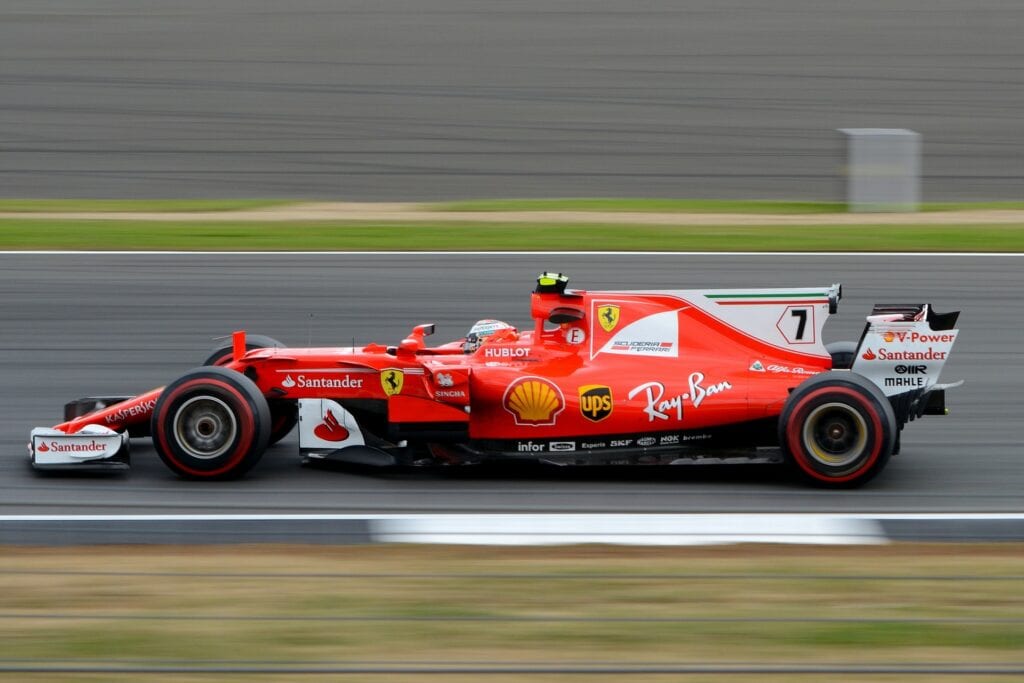
The circuit has witnessed some memorable racing since that inaugural 1991 event won by Nigel Mansell. Ayrton Senna and Mansell’s dramatic wheel-to-wheel battle that same year set the tone for what Barcelona could produce when drivers were willing to push limits. Fernando Alonso’s 2013 victory in front of 140,000 home fans demonstrated what Spanish success at the home race means emotionally. Max Verstappen’s maiden victory here in 2016 announced his arrival as genuine championship contender. These moments punctuate decades of racing that’s ranged from brilliant to processional depending on competitive balance and circuit configuration changes.
Barcelona’s accessibility via major international airport, functional public transport, and proximity to one of Europe’s most compelling cities creates similar advantages to Catalunya MotoGP – you can attend world-class motorsport whilst staying in Barcelona proper, combining racing with urban tourism in ways remote circuits simply cannot match. That convenience matters enormously for fans travelling from abroad or those wanting broader Spanish experience beyond three days at a racetrack.
Understanding the Circuit de Barcelona-Catalunya
The circuit measures 4.655 kilometres with 16 corners creating layout that tests different aspects of car performance comprehensively. What makes Barcelona challenging is the variety rather than any single characteristic dominating – you need strong aerodynamic package for high-speed corners, mechanical grip for technical sections, powerful brakes for heavy braking zones, and effective power delivery throughout. Success requires well-rounded car rather than exploiting specific strength to overcome weaknesses elsewhere.
The first sector is fastest, featuring flowing corners where cars reach speeds approaching 320 km/h. Turn 3 – that long radius right-hander – demands total commitment and demonstrates which cars have confidence-inspiring high-speed stability. Get it right and you carry enormous momentum toward Turn 4. Get it wrong and you’re losing time that’s difficult to recover given how the rest of the lap unfolds. This is where aerodynamic efficiency matters most – the downforce to maintain speed through sustained high-speed loading whilst minimizing drag that costs on the straights.
The second sector interrupts that flowing rhythm with tighter, more technical corners including a chicane and 90-degree turns that test mechanical grip and traction. The tight left-right complex halfway through the lap punishes cars with poor low-speed handling or insufficient traction putting power down exiting slow corners. This sector reveals which teams have developed effective mechanical platforms beneath the aerodynamic surfaces everyone focuses on.
The final sector winds back on itself through extended series of corners leading to the heavy braking zone for the final chicane – one of Barcelona’s few genuine overtaking opportunities. That chicane has produced countless last-lap passes and championship-affecting moments where drivers pushed beyond sustainable limits trying to gain positions. Getting the exit right matters enormously because you’re accelerating onto the main straight where any deficit follows you all the way to Turn 1.
What drivers consistently mention about Barcelona is how the circuit’s extensive use as testing venue means everyone knows it intimately. There’s no adaptation advantage for those who learn tracks quickly – everyone’s logged hundreds of laps testing new parts, developing setups, understanding every surface variation. When familiarity is equal, racing comes down to car performance and driver execution without anyone benefiting from superior learning rate or track-specific expertise.
The circuit characteristics favour cars with strong overall packages rather than those excelling in specific areas. You can’t hide aerodynamic deficiencies or mechanical weaknesses here because the lap demands everything. That’s why Barcelona testing is so valuable for teams – performance here predicts performance across varied circuits reasonably well because you need comprehensive competence rather than circuit-specific optimization.
Overtaking remains Barcelona’s persistent challenge despite various configuration changes over decades. The circuit was designed in early ’90s era when following closely through high-speed corners mattered less, and modern ground-effect aerodynamics have made that issue more acute. DRS zones help somewhat, but genuinely wheel-to-wheel racing remains difficult compared to circuits with longer straights or more dramatic elevation changes creating natural overtaking zones.
Mid-June timing means reliable Barcelona summer weather – warm temperatures (24-28°C typical), strong sunshine, minimal rain probability. It’s pleasant conditions for spending days outdoors, though the sun exposure and heat require proper preparation with sun protection and hydration. The weather certainty is considerable advantage compared to early-season races where conditions can be genuinely unpredictable.
Spanish Grand Prix History and Winners
The Spanish Grand Prix’s history is considerably longer and more complex than its Catalunya era suggests. That first 1913 race in San Sebastián established motor racing in Spain, though it would be decades before consistent championship status. The 1923 Spanish Grand Prix at Sitges-Terramar represented early purpose-built circuit racing, but the event remained sporadic through political upheaval and war that disrupted Spanish motorsport development.
Formula One’s Spanish Grand Prix joined the world championship in 1951 at Pedralbes in Barcelona – street circuit through wealthy neighbourhood that hosted just two grands prix before moving. Jarama near Madrid and the Montjuïc street circuit in Barcelona alternated through the ’60s and ’70s, each with distinct characteristics and challenges. Montjuïc was spectacular but dangerous – mountainside street circuit where Jochen Rindt refused to race in 1969 over safety concerns that proved prescient when fatal accidents occurred.
Safety issues ended the Montjuïc era in 1975, and Jarama hosted alone through the late ’70s until the event disappeared from the calendar in 1981. F1’s decade-long Spanish absence ended with Catalunya’s opening in 1991, providing purpose-built facility designed specifically for modern grand prix racing with safety standards that street circuits and older venues couldn’t match.
Since Catalunya opened, certain drivers have dominated statistically. Michael Schumacher and Lewis Hamilton each won six times, demonstrating how the circuit suited their particular skills and the dominant machinery they drove during respective eras. Recently, Max Verstappen’s three consecutive victories from 2022-2024 show Red Bull’s current supremacy – though whether that continues depends on competitive balance shifts heading into 2026 regulations.
Recent Spanish Grand Prix Winners
| Year | Winner | Team |
|---|---|---|
| 2025 | Oscar Piastri | McLaren-Mercedes |
| 2024 | Max Verstappen | Red Bull Racing |
| 2023 | Max Verstappen | Red Bull Racing |
| 2022 | Max Verstappen | Red Bull Racing |
| 2021 | Lewis Hamilton | Mercedes |
| 2020 | Lewis Hamilton | Mercedes |
| 2019 | Lewis Hamilton | Mercedes |
| 2018 | Lewis Hamilton | Mercedes |
| 2017 | Lewis Hamilton | Mercedes |
| 2016 | Max Verstappen | Red Bull Racing |
| 2015 | Nico Rosberg | Mercedes |
| 2014 | Lewis Hamilton | Mercedes |
The pattern shows how F1’s competitive eras manifest at Barcelona – Mercedes’ dominance through the hybrid era from 2014-2020, Red Bull’s resurgence under current regulations. The circuit doesn’t particularly favour overtaking or create unpredictable results through strategy variation. When one team has superior package, they tend to demonstrate it clearly at Barcelona because the comprehensive demands leave nowhere to hide deficiencies.
That testing role means teams arrive with refined setups based on extensive data, theoretically creating closer competition. In practice it often means the strongest package dominates more thoroughly because everyone’s maximized their potential through testing. When margins are small and everyone knows the circuit perfectly, car performance differences become more visible rather than being masked by adaptation or setup compromises.

Getting to the Circuit de Barcelona-Catalunya
Barcelona’s infrastructure and the circuit’s proximity to the city create accessibility that’s genuinely excellent compared to remote F1 venues. Multiple transport options exist depending on priorities around cost, convenience and flexibility, and the city’s public transport actually functions reliably.
By Air
Barcelona-El Prat Airport (BCN) handles enormous passenger volumes with extensive international connections from virtually everywhere that matters for F1’s European fanbase. From the airport you can take trains to Barcelona Sants station then connect to Montmeló services (total journey about 90 minutes), arrange car rental for flexibility during your stay, or taxi directly though that’s expensive for the 30-kilometre journey.
The airport’s capacity and connections mean reaching Barcelona is considerably easier than navigating to many F1 venues. You’re dealing with major international hub rather than regional facility with limited schedules. This convenience matters enormously for fans coordinating international travel, particularly those coming from outside Europe for their first F1 experience.
By Train from Barcelona
This is genuinely the most practical approach for fans staying in Barcelona. Regular trains run from Barcelona’s main stations – Sants, Passeig de Gràcia, El Clot – to Montmeló throughout the day on the R2 line toward Macanet-Massanes. Montmeló is about 5 stops after El Clot, journey takes 30-40 minutes depending on your starting station. Trains run every 30 minutes normally, with additional services on race weekend.
From Montmeló station to circuit entrance is approximately 30 minutes walking. This is manageable with comfortable shoes but becomes less appealing if weather turns hot (which mid-June can be) or you’re carrying camera equipment and supplies for the day. Shuttle buses typically operate on race weekend from station to circuit – confirm availability ahead rather than assuming.
The train approach eliminates driving stress, parking concerns and post-race traffic whilst being considerably cheaper than taxis or car rental. The trade-off is operating on train schedules rather than your timing, and dealing with crowded services on race day when thousands have the same public transport idea.

By Car from Barcelona
Driving from Barcelona follows the AP-7 motorway north toward Girona, exiting for Montmeló and the circuit. The journey normally takes 30-40 minutes outside race weekend. On race day, particularly as session times approach, that extends significantly as tens of thousands of vehicles converge simultaneously. The motorway handles traffic reasonably well, but final kilometres to circuit parking become genuinely congested.
Circuit parking must be booked in advance – don’t assume you can turn up and find space. Even with reservations, expect to walk considerable distance from parking to entrance because prime areas fill first. Arriving when gates open (typically Friday morning for three-day ticket holders) minimizes parking distance and avoids worst traffic.
Post-race departure Sunday creates predictable congestion. Everyone leaves within narrow window, exit routes become car parks, and you’re sitting in traffic for extended period. Some fans deliberately stay at circuit for hours after racing finishes, letting traffic dissipate whilst exploring facilities. Others accept traffic as inevitable and use time discussing the race whilst inching toward the motorway.
From Girona and Costa Brava
Girona provides alternative base to Barcelona – historic city with medieval quarter, excellent restaurants, and considerably less tourist intensity. Girona-Costa Brava Airport serves budget carriers and offers different arrival option to Barcelona-El Prat. From Girona, trains on the R2 line toward Barcelona stop at Montmeló – journey takes about an hour, making it manageable commute for race weekend.
Costa Brava beach resorts like Lloret de Mar, Tossa de Mar or more upscale Cadaqués offer completely different approach – combining F1 with Mediterranean beach holiday. You’re then driving to the circuit (60-90 minutes depending on location), which requires car rental but creates holiday atmosphere rather than pure motorsport focus. This works brilliantly for mixed groups where some are passionate about F1 whilst others prefer beach relaxation.
Public transport from Costa Brava resorts to Montmeló requires routing through Girona or Barcelona, which adds considerable journey time. Driving is genuinely the practical option if you’re Costa Brava-based, though organized race-day shuttles sometimes operate from larger resorts – check ahead rather than assuming availability.
Where to Stay for the Spanish Grand Prix
Accommodation strategy divides between Barcelona versus alternatives, with each approach offering distinct advantages depending on whether you’re purely motorsport-focused or want broader Spanish tourism experience.
Barcelona Hotels
Barcelona offers enormous accommodation range from youth hostels to luxury hotels. Staying in the city means access to world-class restaurants, cultural attractions like Sagrada Família and Park Güell, beaches, nightlife, and general urban infrastructure. You’re combining F1 with city tourism rather than making motorsport the sole focus.
The Eixample district provides elegant boulevards, modernist architecture, excellent transport connections. The Gothic Quarter offers medieval atmosphere and central location for historic Barcelona. Gràcia maintains neighbourhood character with local restaurants away from tourist concentrations. All connect easily to train stations serving Montmeló.
Book accommodation well ahead for race weekend – Barcelona attracts enormous tourist volumes in June anyway, and F1 adds significant demand. Waiting until close to the date means paying inflated rates for whatever remains available.
Montmeló and Surrounding Towns
Staying in Montmeló itself or nearby towns like Granollers or Parets del Vallès puts you considerably closer to the circuit. These are functioning towns serving local residents rather than tourist destinations, which means authentic Catalan atmosphere and lower costs compared to Barcelona hotels.
The trade-off is limited facilities – don’t expect extensive restaurant options, nightlife, or much to do beyond the race itself. This works if your focus is purely F1 but feels restrictive if you want broader travel experience or are travelling with companions less passionate about motorsport.
Girona and Costa Brava Options
Girona provides historic city alternative with medieval quarter, excellent food scene, and proximity to Costa Brava. The hour commute to Montmeló is manageable if you’re comfortable with longer journey. Girona works particularly well for combining F1 with Costa Brava exploration – beaches, medieval villages, coastal scenery.
Costa Brava beach resorts create entirely different experience – Mediterranean beach holiday with F1 as weekend highlight rather than sole focus. Mid-June timing means excellent beach weather without peak summer crowds and heat. This approach appeals to families or mixed groups where motorsport enthusiasm varies.
Spanish F1 Grand Prix Tickets: What You Need to Know
Tickets are available through the official Circuit de Barcelona-Catalunya website and authorized vendors. Buying directly from official sources eliminates concerns about ticket validity whilst avoiding reseller markups.
Buy the Weekend Pass: Three-day passes covering Friday practice, Saturday qualifying and Sunday race cost only marginally more than Sunday-only tickets. If you’re attending race weekend, the weekend pass delivers significantly better value – you get Friday and Saturday access plus Thursday pit lane walk, experiencing the complete grand prix weekend rather than just race day.
Grandstand Seating Options
The 14 grandstands are positioned at key sections around the 4.655km circuit, though only three offer covered seating – worth considering for June sun exposure. Each grandstand provides different viewing experience depending on what aspects of racing interest you most.
Grandstand D (Main Grandstand): The premium option overlooking pit lane, start/finish line, and podium ceremonies. You’re seeing pit stops, race starts, finishes, and podium celebrations from prime position. The most expensive tickets but delivering complete race day experience including all ceremonial elements. Higher rows provide views across to Turn 1 and Turn 2.
Grandstands E and F: Positioned where the main straight ends heading into the Elf corner (Turn 1). This is heavy braking zone from over 300 km/h down to roughly 100 km/h, one of few genuine overtaking opportunities. You’re watching drivers push limits under braking, occasional lock-ups, and position changes that often determine race outcomes.
Grandstand H (Turn 9): The raised grandstand at Turn 9 provides excellent views downhill through Turns 8-10 and toward the stadium section. Multiple corners visible simultaneously, and overtaking happens directly in front as drivers brake hard into Turn 10. Good value for viewing variety.
Grandstand M (Turn 1): Heavy braking zone where cars slow from over 300 km/h creates dramatic viewing – you’re watching extreme deceleration, drivers jostling for position, occasional contact when someone misjudges. First-lap chaos often unfolds right here.
Grandstand N (Turns 13-14): The final chicane where last-lap battles reach conclusion. Desperate moves happen here on final laps when drivers are pushing beyond sustainable limits trying to gain positions. You’re watching risks being taken that wouldn’t happen mid-race.
General Admission Areas
The Pelouse (general admission) provides access to grass bank areas around the circuit without assigned seating. These areas offer decent viewing thanks to natural terrain and circuit design, though you’re standing or sitting on grass all day.
Turn 3 General Admission: Feel the speed as cars take this long radius corner at approaching 300 km/h. Daredevil overtaking attempts occasionally happen here when drivers are genuinely committed. The proximity and speed create visceral experience grandstands don’t quite match.
Turn 5 General Admission: Grassy hillside overlooking Turn 5 with views back across track to multiple corners. You’re seeing extended sections rather than single corner, understanding how races develop through sequences. Strategic screens throughout the circuit let you follow action happening elsewhere.
General admission delivers considerable cost savings compared to grandstands whilst maintaining decent viewing. The trade-offs are standing/sitting on grass all day, exposure to June sun without shelter, distance from facilities, and no guaranteed position if you arrive late. Bring folding chairs or cushions, sun protection, and prepare for full day outdoors.
VIP and Hospitality Packages
Premium packages include hospitality with catering, pit lane access, paddock access where you might encounter drivers and team personnel, exclusive viewing areas. These appeal to corporate entertainment or serious fans with disposable income valuing exclusive access over grassroots atmosphere.
The pit lane and paddock access provides genuine behind-the-scenes experience – watching teams work, seeing cars up close, occasionally meeting drivers if timing aligns. Whether this justifies significant cost premium depends entirely on priorities and budget.
Ticket Buying Strategy
Purchase tickets early – Barcelona sells well given the city’s accessibility and F1’s popularity. Premium grandstand sections fill months ahead. Early booking often secures better rates before price increases as race date approaches.
The three-day weekend pass delivers best value – Friday practice lets you explore the circuit and find optimal viewing positions, Saturday qualifying determines grid and often produces dramatic moments, Sunday brings complete race day experience. Single-day tickets exist but you miss the build-up and development that makes F1 weekends compelling beyond just the race itself.

What to Bring to the Spanish Grand Prix
Mid-June in Barcelona means summer weather – expect temperatures 24-28°C with strong sunshine. Lightweight breathable clothing is essential, along with high-factor sunscreen that you reapply throughout the day. Hat and sunglasses for sun protection matter enormously given you’re outside all day with limited shade in many viewing areas.
Comfortable walking shoes are essential – you’ll cover considerable distance around the circuit, from parking or train station, moving between viewing areas during practice sessions. Even with grandstand seats you’re walking significant amounts during race weekend.
Hearing protection helps – F1 cars are loud though not to MotoGP levels. Foam earplugs reduce fatigue from sustained noise exposure whilst letting you still hear commentary and conversation. Some fans skip this, others consider it essential – personal preference about noise tolerance.
Bring sufficient cash – whilst card payment has improved, some vendors remain cash-only. Check current policies about bringing your own food and drink versus buying from circuit vendors. Water is essential for staying hydrated in June heat whilst outside all day.
Folding chair or cushion for comfort in general admission areas. Binoculars enhance viewing from distance, letting you see driver inputs and car behaviour that naked eye misses. Smartphone or camera for photographs, though F1 cars at speed require proper equipment and technique to capture successfully.
Light layers for variable conditions – mornings can start cool before midday heat arrives. The circuit provides excellent screen coverage throughout public areas so you’re never completely out of touch with action happening elsewhere on track.
Race Weekend Schedule and Strategy
F1 weekends follow consistent patterns – Friday brings two practice sessions where teams develop setups and drivers learn track conditions. Saturday features final practice followed by qualifying determining grid positions through knockout format. Sunday is race day with morning warm-up then the grand prix itself.
Friday is typically quietest with fewer spectators, making it ideal for exploring the circuit, understanding sightlines from different viewing positions, watching teams work without overwhelming crowds. Serious fans use Friday to identify which teams look strong, which are struggling, and how competitive picture is developing.
Saturday qualifying produces high-stakes drama as drivers push absolutely to limits for those crucial tenths that determine grid positions. The knockout format creates escalating tension through Q1, Q2 and Q3, with mistakes costing dearly and brilliant laps earning deserved celebration.
Sunday race day is when the circuit reaches capacity – over 100,000 fans creating atmosphere that’s energetic without being overwhelming. The support races (typically F2 and F3) provide excellent entertainment before F1, showcasing future talent fighting for career advancement. Don’t skip these because you’re “saving energy” for the main event – the racing is often closer and more dramatic than F1 itself.
The F1 race typically starts early afternoon. Race duration is either 66 laps or two hours, whichever comes first, so factors like safety cars, red flags or incidents can extend the schedule. Build buffer time into departure plans rather than booking tight evening commitments in Barcelona assuming race finishes precisely on schedule.
Frequently Asked Questions
When is the 2026 Spanish F1 Grand Prix?
The 2026 Spanish Grand Prix is scheduled for 14th June 2026. This mid-June timing typically brings reliable Barcelona summer weather with temperatures around 24-28°C and minimal rain probability, creating pleasant conditions for spending entire days at the circuit.
How do I get to the Circuit de Barcelona-Catalunya?
The most practical approach is taking trains from Barcelona’s main stations (Sants, Passeig de Gràcia, El Clot) to Montmeló on the R2 line – journey takes 30-40 minutes with trains every 30 minutes. From Montmeló station it’s 30-minute walk or shuttle buses operate on race weekend. By car, follow AP-7 motorway north from Barcelona, normally 30-40 minutes but expect significant race day traffic. Circuit parking requires advance booking.
Where should I stay for the Spanish Grand Prix?
Most visitors stay in Barcelona for access to city attractions, restaurants, nightlife and extensive accommodation options whilst commuting 30-40 minutes to circuit by train. Eixample, Gothic Quarter and Gràcia offer excellent transport connections. Montmeló and surrounding towns provide closer proximity but limited facilities. Girona offers alternative historic city base about one hour away. Costa Brava resorts work for combining F1 with beach holiday. Book well ahead for race weekend.
What ticket type should I buy?
Three-day weekend passes deliver best value, costing only marginally more than Sunday-only tickets whilst including Friday practice, Saturday qualifying and Thursday pit lane walk. Grandstand D (main grandstand) provides premium experience overlooking pit lane, start/finish and podium. Grandstands at Turns 1 and 10 offer best overtaking views. General admission at Turns 3 and 5 provides speed and multiple corner viewing at lower cost. VIP packages add paddock access and hospitality.
Should I attend all three days?
Absolutely – weekend passes cost only marginally more than Sunday-only tickets. Friday lets you explore the circuit and find optimal positions with fewer crowds. Saturday qualifying produces high-stakes drama determining grid positions. Sunday delivers complete race day experience. If you’re in Barcelona for other reasons and casually attending, race day works. If you’re travelling specifically for F1, the full weekend justifies investment.
What should I bring to the Spanish Grand Prix?
Lightweight breathable clothing for summer weather (24-28°C typical), high-factor sunscreen to reapply throughout day, hat and sunglasses for sun protection, comfortable walking shoes, hearing protection (helpful though less critical than MotoGP), sufficient cash, folding chair or cushion for general admission, binoculars for better viewing, plenty of water for hydration. Light layers for variable conditions as mornings can start cooler. The circuit provides excellent screen coverage throughout public areas.
Can I combine the Spanish Grand Prix with Barcelona tourism?
Absolutely – this is Barcelona’s major advantage. Stay in the city, attend racing via 30-40 minute train journey, return for evenings exploring Sagrada Família, Gothic Quarter, beaches, restaurants, nightlife. Mid-June timing means excellent weather without peak summer crowds. You’re combining world-class motorsport with one of Europe’s most compelling cities rather than spending entire trip focused solely on F1.
Is the Spanish Grand Prix suitable for families?
The circuit accommodates families well with facilities designed for 100,000+ spectators. Support races (F2 and F3) often engage children more than F1 with closer racing. The screens throughout public areas mean children won’t miss action. Hearing protection is advisable for young children. Grandstand seating makes sense for families wanting comfort. Combining race weekend with Barcelona tourism provides activities for family members less interested in motorsport.
How does Barcelona compare to other F1 venues?
Barcelona excels in accessibility and infrastructure – major international airport, functional public transport, proximity to compelling city, modern facilities. The racing itself can be processional when one team dominates because overtaking is difficult and extensive testing means everyone arrives with refined setups. It’s excellent first F1 experience for convenience and complete package, though pure racing spectacle sometimes disappoints compared to circuits with more overtaking opportunities.
What’s the weather like in mid-June?
Expect reliable summer weather with temperatures 24-28°C, strong sunshine, and minimal rain probability. It’s pleasant conditions for outdoor activities though sun exposure and heat require proper preparation. Bring high-factor sunscreen, hat, sunglasses, and plenty of water. Mornings can start slightly cooler before midday heat arrives. The weather certainty is considerable advantage compared to early-season races where conditions can be unpredictable.
Final Thoughts
The Spanish Grand Prix at Barcelona occupies interesting position in F1’s calendar – it’s neither the most spectacular circuit nor the most dramatic racing venue, but it delivers comprehensive test of car performance whilst providing accessibility and infrastructure that many venues cannot match. The combination of serious motorsport facility with Barcelona’s urban attractions creates proposition that’s particularly appealing for first-time F1 attendees or those wanting broader Spanish experience beyond pure racing focus.
The circuit characteristics mean racing quality varies significantly depending on competitive balance. When one team has dominant package, Barcelona tends to produce processional races because overtaking is difficult and everyone arrives with refined setups from extensive testing. When competition is close, the comprehensive demands create interesting strategic battles even if wheel-to-wheel action remains limited. It’s venue that rewards technical appreciation of car development and setup optimization more than pure racing spectacle.
What distinguishes Barcelona from many F1 venues is the infrastructure and accessibility excellence. Public transport actually works reliably, the circuit facilities are modern and comprehensive, accommodation options range from budget to luxury, and Barcelona itself provides world-class tourism infrastructure. Compare this to remote venues requiring complicated logistics and limited local attractions, and Barcelona’s convenience becomes significant advantage particularly for fans travelling from abroad.
The 14th June 2026 timing brings reliable summer weather that’s warm without being oppressively hot. You’re experiencing F1 during period when Barcelona tourism is active but hasn’t reached peak August intensity. For visitors combining racing with city tourism, the timing works brilliantly for experiencing both elements without weather gambling or crushing tourist crowds.
Whether you’re staying in Barcelona for complete urban experience, basing yourself in Girona for different historic city atmosphere, or combining the race with Costa Brava beach holiday, Barcelona accommodates different strategies more flexibly than most venues. The train connection means you’re not forced to drive, though car rental gives flexibility for broader Catalonia exploration beyond the city and circuit.
For fans who value convenience, modern facilities, and ability to combine racing with broader tourism, Barcelona delivers experiences that justify its permanent position on F1’s calendar. The racing might not always reach Monaco’s drama or Spa’s pure spectacle, but the overall package – accessible circuit, excellent infrastructure, Barcelona access, reliable weather, comprehensive testing creating refined competition – works particularly well for experiencing F1 in context of broader European travel rather than as isolated motorsport pilgrimage.
Pack for summer weather with proper sun protection, book tickets and accommodation well ahead particularly for premium grandstand sections, plan transport strategy between Barcelona and circuit, and consider the three-day weekend pass for significantly better value than Sunday-only attendance. Whether you’re there purely for F1 or combining motorsport with Barcelona’s cultural attractions, beaches and gastronomy, the Spanish Grand Prix rewards proper planning with experiences that demonstrate why Formula One and urban tourism can coexist successfully when infrastructure, location and facilities align properly.